Originally published on www.biggaypictureshow.com
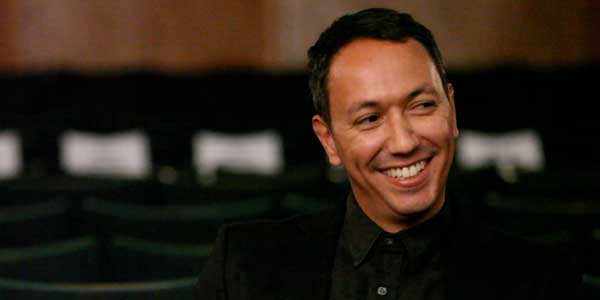
Beauty, or Skoonheid as it’s known in its native South Africa, takes a dark look at how mentally scarring sexual repression can be, and does so in an excellently compelling and disturbing way.
After winning the Queer Palm Award at the Cannes Film Festival in 2011 and being shortlisted as the South African entry for the Best Foreign Language Film at the 84th Academy Awards, Beauty will be released on DVD in the UK on October 8th.
We got to catch up with the writer and director of the film, Oliver Hermanus, to find out his thoughts of the film, his inspiration and what he will be getting up to next in the world of film.
What attracted you to this film?
The idea of beauty being a currency in the world and wanting to tell a story about its poisonous effects on a man who desires it more than anything.
The idea of beauty being a currency in the world and wanting to tell a story about its poisonous effects on a man who desires it more than anything.
What made you shoot the film in the way you did?
This film, dealing with a man who is a voyeur, was greatly influenced by certain Hitchcock films like Vertigo. We adopted the CinemaScope frame, 18mm lending and even use a zoom in the opening shot. I love old Hollywood and wanted this film to be the opposite of my first film, which was very hand held etc.
This film, dealing with a man who is a voyeur, was greatly influenced by certain Hitchcock films like Vertigo. We adopted the CinemaScope frame, 18mm lending and even use a zoom in the opening shot. I love old Hollywood and wanted this film to be the opposite of my first film, which was very hand held etc.
How did it differ from anything else you’ve done?
The scale is bigger, the slickness of the camera, the attention to detail in the production design and costume, instead of capturing a world, like I did on my first film [Shirley Adams], we created a world in Beauty.
What do you hope this movie will achieve?
I hoped that it would give me the opportunity to make more films as I hope of every film I make. Reach a larger audience, gain value as a film director.
I hoped that it would give me the opportunity to make more films as I hope of every film I make. Reach a larger audience, gain value as a film director.
What has the reaction to the film been like?
Varied. This is a tough film and it sends people in different directions. The responses have been very particular depending on the countries it played in.
Varied. This is a tough film and it sends people in different directions. The responses have been very particular depending on the countries it played in.
What did you think the reaction would be like to the film?
I had no idea, I had worked on it for so long by the end, writing, directing and editing it myself, that I couldn’t tell if it was funny or sad.
I had no idea, I had worked on it for so long by the end, writing, directing and editing it myself, that I couldn’t tell if it was funny or sad.
What were your feelings before the film debuted at the 2011 Cannes Film Festival?
We were still finishing it just before Cannes, so there was no time to sit around and think. It was a mad rush to get the sound done in time.
We were still finishing it just before Cannes, so there was no time to sit around and think. It was a mad rush to get the sound done in time.
And how did it feel when the film was awarded the Queer Palm Award?
I think it is a good luck charm to win a prize, any prize, for your film at its premiere festival, so I was very happy to win the Queer Palm.
I think it is a good luck charm to win a prize, any prize, for your film at its premiere festival, so I was very happy to win the Queer Palm.
How did you feel when Beauty was entered as the South African entry for Best Foreign Language Film at the Academy Awards?
I was surprised; SA is very conservative, so I thought it was a sign of positive change in our local film bodies.
I was surprised; SA is very conservative, so I thought it was a sign of positive change in our local film bodies.
Do you think the story behind this film is important on a social level?
Definitely, this story is about many men especially in SA but also all over the world. I think many men and possibly women walked away from this film feeling challenged to make a change in their lives.
Definitely, this story is about many men especially in SA but also all over the world. I think many men and possibly women walked away from this film feeling challenged to make a change in their lives.
What was your favourite part about shooting the film?
I love working with actors, seeing the performance come to life, so definitely the shooting part.
I love working with actors, seeing the performance come to life, so definitely the shooting part.
What are your thoughts on the film itself?
I think it was a competent sophomore effort; it achieved the festival recognition I wanted, and gave me the currency to make something else after. So for me that means I like it, not that I have seen it over 1 year.
I think it was a competent sophomore effort; it achieved the festival recognition I wanted, and gave me the currency to make something else after. So for me that means I like it, not that I have seen it over 1 year.
Finally what do you have lined up for the future?
I am preparing a Biblical period piece (who isn’t), which is currently in financing after a year of solid script work. It is titled The Well.
I am preparing a Biblical period piece (who isn’t), which is currently in financing after a year of solid script work. It is titled The Well.


